

Σελίδες Ιδρύματος Γληνού
Δημήτρης Γληνός
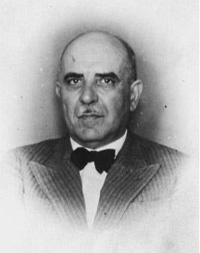 Γεννήθηκε στη Σμύρνη το 1882, από φτωχή οικογένεια με καταγωγή από το Κόρθι της Άνδρου. Σπούδασε φιλολογία στην Αθήνα. To 1908 παντρεύτηκε την Άννα Χρόνη και με την οικονομική στήριξη του πεθερού του ο Γληνός έφυγε με τη σύζυγό του για μεταπτυχιακές σπουδές στην Ιένα και κατόπιν στη Λειψία. Στη Γερμανία, η γνωριμία του με τον Γ. Σκληρό τον εξοικείωσε με τις σοσιαλιστικές ιδέες και είχε αποφασιστική επίδραση στη μετέπειτα πορεία του. Το 1911, πίσω στην Αθήνα, δραστηριοποιήθηκε στον Εκπαιδευτικό Όμιλο όπου, μεταξύ άλλων, είχε και το συντονισμό της έκδοσης του περιοδικού του. Πρωτοστάτησε στην ίδρυση του Εκπαιδευτικού Συνδέσμου των Λειτουργών της Μέσης Εκπαιδεύσεως (Φεβρ. 1915). Τοποθετημένος πολιτικά στην αριστερά του βενιζελισμού ο Γληνός, συνήθως σε συνεργασία με τους Αλ. Δελμούζο και Μ. Τριανταφυλλίδη, έδρασε από διοικητικές και μη θέσεις για την επίλυση του γλωσσικού ζητήματος και την αναμόρφωση της εκπαίδευσης σε όλες τις βαθμίδες: σύνταξη εκπαιδευτικών νομοσχεδίων του 1913, διάταγμα Προσωρινής Κυβέρνησης (1917) για την εισαγωγή της δημοτικής στα σχολεία, οργάνωση της Παιδαγωγικής Ακαδημίας και του Πανεπιστημίου Θεσσαλονίκης (1924-26). 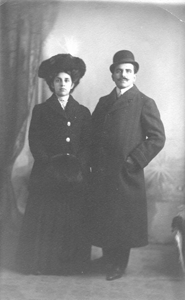 Το 1926 εκτίμησε πως η δυνατότητα προώθησης και στερέωσης μιας ουσιαστικής εκπαιδευτικής μεταρρύθμισης μέσω των κρατικών μηχανισμών ήταν μηδαμινή και αποφάσισε να απομακρυνθεί οριστικά από τα δημόσια αξιώματα. Την ίδια χρονιά ξεκίνησε την έκδοση του περιοδικού Αναγέννηση, με το οποίο συνεργάστηκαν τακτικά σημαντικοί διανοούμενοι, όπως οι Καζαντζάκης, Βάρναλης, Κορδάτος, Στρ. Σωμερίτης, η Ρόζα Ιμβριώτη κ.άλ. 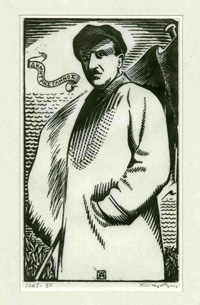 Από τα τέλη της δεκαετίας του 1920 ο Γληνός στράφηκε καθαρότερα προς το μαρξισμό, προσεγγίζοντας σταδιακά το ΚΚΕ. Συνεργάστηκε με το περιοδικό Νέοι Πρωτοπόροι, καθώς και με την εφημερίδα του κόμματος, τον Ριζοσπάστη. Το καλοκαίρι του 1934, μαζί με τον Κώστα Βάρναλη, επισκέφτηκε τη Σοβιετική Ένωση, μετά από πρόσκληση της ένωσης των Σοβιετικών συγγραφέων. Οι εντυπώσεις του από το ταξίδι δημοσιεύτηκαν σε πολλές συνέχειες στην εφημερίδα Νέος Κόσμος. Το 1936 εκλέχτηκε βουλευτής. Στη διάρκεια της 4ης Αυγούστου γνώρισε τη φυλακή και τις εκτοπίσεις αλλά και την πιο γόνιμη, από συγγραφική άποψη, περίοδο της ζωής του. Το 1940 δημοσιεύθηκε η μετάφραση του πλατωνικού Σοφιστή από τον Γληνό. Η εισαγωγή του σε αυτήν την έκδοση θεωρείται από τα σπουδαιότερα μνημεία της νεοελληνικής γραμματείας. Στη διάρκεια της Κατοχής ο Γληνός πρωταγωνίστησε στις διεργασίες για την ίδρυση του ΕΑΜ και συνέταξε το ιδεολογικο-πολιτικό μανιφέστο Τί είναι και τί θέλει το ΕΑΜ. Ο θάνατος τον βρήκε τα Χριστούγεννα του 1943, έπειτα από μια εγχείρηση και ενώ ετοιμαζόταν να μεταβεί στην Ελεύθερη Ελλάδα, προκειμένου να ηγηθεί της κυβέρνησής της. Το πολύπλευρο έργο του Δημήτρη Γληνού είναι εξαιρετικής σπουδαιότητας όχι μόνο αν κριθεί με τα μέτρα της Ελληνικής κοινωνίας: το International Bureau of Education της UNESCO συμπεριέλαβε τον Γληνό μεταξύ των 100 πιο σημαντικών διανoουμένων, πολιτικών, δημοσιολόγων κ.λπ. όλου του κόσμου, που με το στοχασμό και τη δράση τους είχαν σημαντική συμβολή στην υπόθεση της εκπαίδευσης από την εποχή της αυγής του ανθρώπινου πολιτισμού έως τις μέρες μας. (Δρ. Γεώργιος Δ. Μπουμπούς, Γραμματέας του ΔΣ, Υπεύθυνος Αρχείων του Ιδρύματος Γληνού) 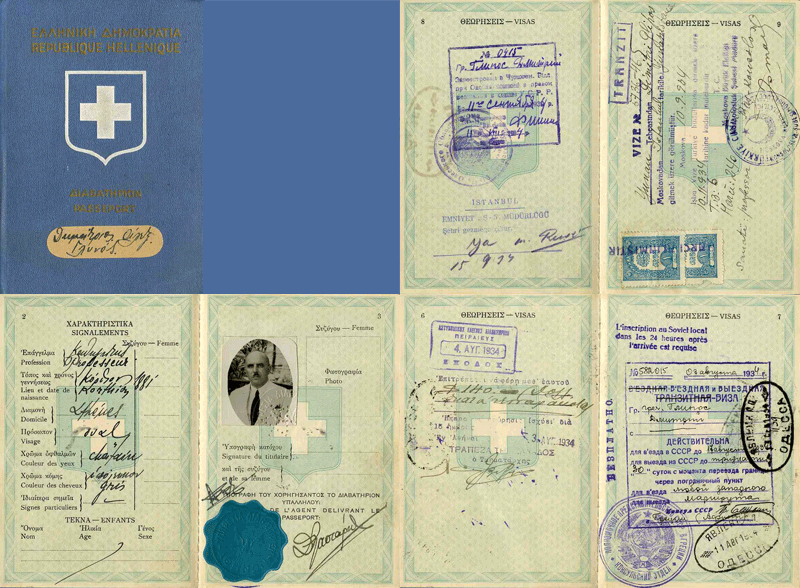 Άρθρα: «Γληνός (Δημήτριος)», Κοινωνιολογικόν και Πολιτικόν Λεξικόν (Ανεξαρτήτου), Αθήνα 1933-35. Φούλα Χατζιδάκη, «Δημήτρης Γληνός», Νέα Εστία 1187 (Χριστούγεννα 1976). Έλλη Aλεξίου, «Δημήτρης Γληνός (εκατό χρόνια από τη γέννησή του)», Νέα Εστία 1326 (1 Οκτ. 1982). Φίλιππος Ηλιού, «Εισαγωγικό σημείωμα», στο: Δημ. Γληνού, Άπαντα, τ. Α’, Αθήνα 1983. Ι. Αυδή-Καλκάνη, «Ο Δημήτρης Γληνός και ο αγώνας της γυναίκας», Ο Αγώνας της Γυναίκας 17 (Ιαν.-Μάρτ. 1983). Ανδρέας Δ. Γληνός, «Από τον Μυστριώτη στον Λένιν: μερικοί προβληματισμοί του νεαρού Δημήτρη Γληνού», Ριζοσπάστης, 12 Οκτ. 1986. Ανδρέας Δ. Γληνός, «Η επιστημονική κοσμοθεώρηση του διαλεκτικού υλισμού και ο Δημήτρης Γληνός» [Μάρτιος 1990], στου ίδιου: Βιολογική επιστήμη και κοινωνία. Μελέτες, άρθρα, γραπτά, Αθήνα 1994. Marie Eliou, «Dimitri Glinos (1882-1943)», Prospects XXIII:3-4 (1993), στο: www.ibe.unesco.org (2000). Φίλιππος Ηλιού, «Δημήτρης Γληνός: από την εκπαιδευτική μεταρρύθμιση στην κοινωνική επανάσταση», Τα Νέα, 8 Φεβρ. 2000. Γιώργος Δ. Μπουμπούς, «Στη ζωή της σιωπής και του στοχασμού: o Δημ. Γληνός στη Σαντορίνη», στο: Δημ. Γληνού, Η τριλογία του πολέμου [1945], Αθήνα 2003. Ελένη Ζούζουλα - Κώστας Θεριανός, «Δημήτρης Γληνός: ο αγωνιστής δάσκαλος, ο ριζοσπάστης παιδαγωγός», Αντιτετράδια της Εκπαίδευσης 68-69 (Δεκ. 2003-Φεβρ. 2004). Γιώργος Δ. Μπουμπούς, «Γληνός, Δημήτρης», λήμμα στο: Εθνικό Ίδρυμα Ερευνών, Εγκυκλοπαίδεια του Ελληνικού Τύπου, 1784-1974, τ. Α’, Αθήνα 2008. Μαριάνθη Μπέλλα, «Η Ανωτέρα Γυναικεία Σχολή (1921-1923)», Εκπαιδευτική Κοινότητα 99 (Αύγ.-Οκτ. 2011). Γιώργος Πετρόπουλος, «Ο Δημήτρης Γληνός ως επιστήμονας και πολιτικός: η διαμόρφωση μιας ηγετικής φυσιογνωμίας», Μαρξιστική Σκέψη 12 (Ιαν.-Μάρτ. 2014). Αυτοτελείς εκδόσεις: Τάσος Βουρνάς, Δημήτρης Γληνός: ο Δάσκαλος του Γένους [1960], Αθήνα 1975. Κέντρο Μαρξιστικών Ερευνών (ΚΜΕ), Δημήτρης Γληνός: 100 χρόνια από τη γέννησή του, Αθήνα 1983. Φιλοσοφική Σχολή Παν/μίου Ιωαννίνων, Δημήτρης Γληνός: παιδαγωγός και φιλόσοφος, Αθήνα 1983. Ευαγγελία Κοκκίνη, Δημήτρης Γληνός, 1882-1943, Αθήνα 1989. ΚΜΕ, Δημήτρης Γληνός: ο πνευματικός ταγός, Αθήνα 1997. Κωνσταντίνος Μαυρέας και Γιώργος Δ. Μπουμπούς (επιμ.), Στη μνήμη Δημήτρη Α. Γληνού [1946], Αθήνα 2003. Γιώργος Γάτος (επιμ.), Το μέγα πάθος του εκπαιδευτικού δημοτικισμού: 41 γράμματα του Γληνού στο Δελμούζο, Αθήνα 2003. Πανελλήνια Ένωση Φιλολόγων (ΠΕΦ), Δημήτρης Γληνός. Αφιέρωμα, Αθήνα 2016. Μαριάνθη Μπέλλα, Η Ανωτέρα Γυναικεία Σχολή του Δημήτρη Γληνού (1921-1923). Ένα προδρομικό παιδαγωγικό και πολιτικό εγχείρημα του Δημήτρη Γληνού, Αθήνα 2018. Γιώργος Δ. Μπουμπούς (επιμ.), Για το παρόν και το μέλλον του ελληνισμού. Μελέτες για τον Δημήτρη Γληνό, Αθήνα 2019. Αφιερώματα περιοδικών: Κομμουνιστική Επιθεώρηση, Ιαν. 1944. Ελεύθερα Γράμματα 32-33 (21 Δεκ. 1945). Επιθεώρηση Τέχνης 119-120 (Νοέμβρ.–Δεκ. 1964). Τομές 7 (Δεκ. 1976). Διαβάζω 61 (26 Ιαν. 1983). Εθνική Αντίσταση 102 (Απρ.-Ιούν. 1999). Νέα Κοινωνιολογία 36 (Άνοιξη 2003). Θέματα Παιδείας 15-16 (Σεπτ. 2003-Φεβρ. 2004). |